
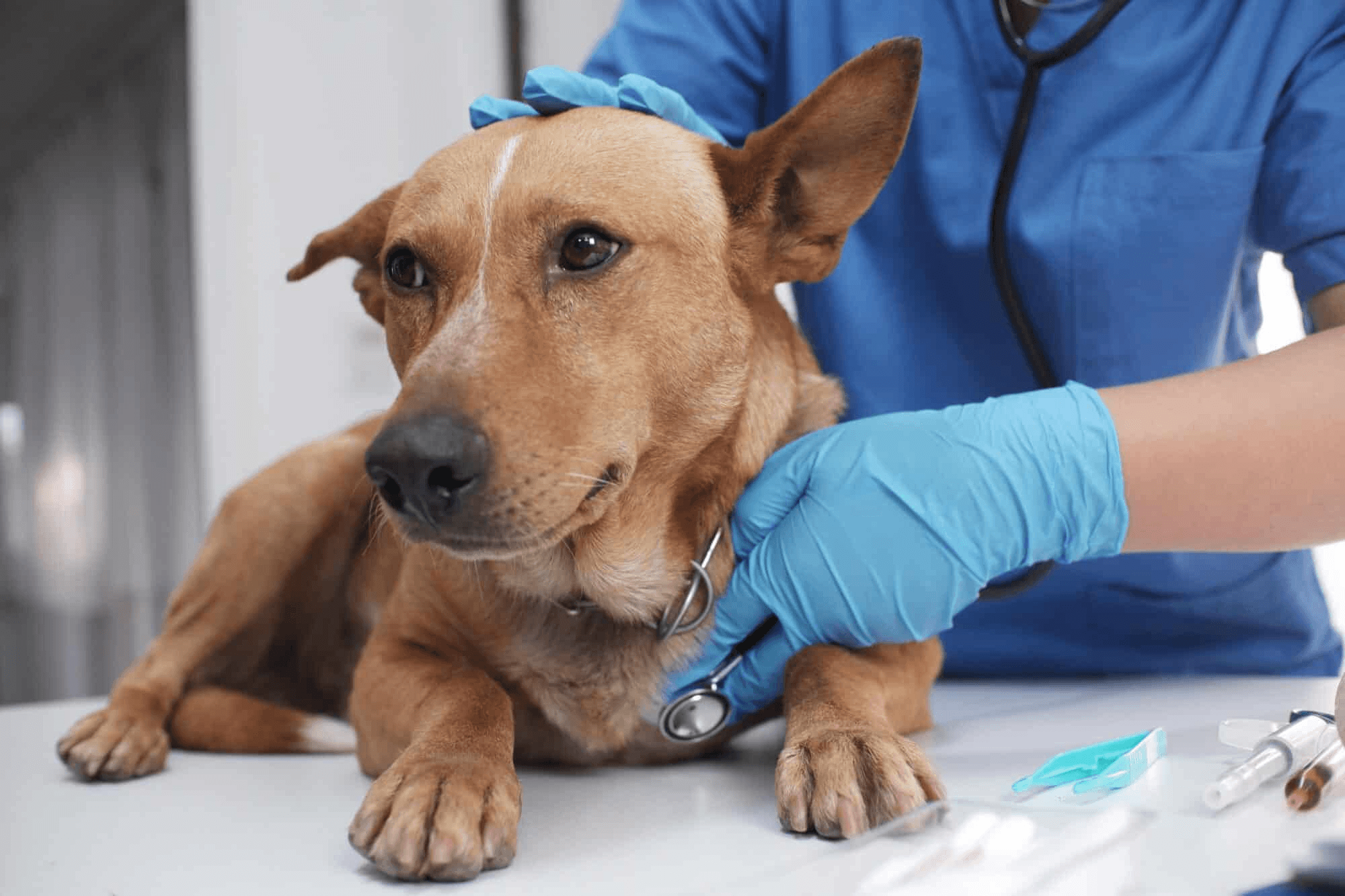
Preventive veterinary care is the single most effective way to extend your pet’s lifespan, reduce lifetime healthcare costs, and catch problems early when they are most treatable. Yet studies consistently show that veterinary visit frequency has declined over the past decade, with many pet owners bringing their animals in only when something is visibly wrong. By the time symptoms are apparent, conditions have often progressed to stages where treatment is more complex, more expensive, and less likely to achieve a full resolution.
The American Veterinary Medical Association recommends annual wellness examinations for adult dogs and cats, and semi-annual exams for senior pets over seven years of age. These visits are not formalities. They are comprehensive health assessments that evaluate body condition, dental health, organ function, parasite burden, and vaccination status in the context of your pet’s age, breed, and lifestyle.
Table of Contents
Why Annual Exams Catch What You Cannot
Pet owners are remarkably attuned to their animal’s behavior, but many serious health conditions develop without obvious external symptoms until they are advanced. Cats are particularly skilled at masking illness, a survival instinct that means a cat acting “normal” may be managing significant pain or organ dysfunction.
During a wellness examination, veterinarians assess indicators that are not visible to pet owners:
- Heart murmurs and arrhythmias detected through auscultation
- Abdominal masses or organ enlargement identified through palpation
- Early dental disease including sub-gingival infection and tooth resorption
- Lymph node changes that may indicate infection or neoplasia
- Joint changes and pain responses that the pet compensates for at home
- Weight trends that suggest metabolic or endocrine changes
Baseline bloodwork performed during annual visits establishes normal ranges for your individual pet. When values begin to drift outside those personal baselines, intervention can begin before clinical disease develops. This is particularly important for kidney disease in cats and liver conditions in dogs, both of which progress silently until significant organ function is lost.
Clinics like My Urban Vet emphasize preventive care protocols that include comprehensive physical examinations, age-appropriate bloodwork, and individualized wellness plans tailored to each pet’s specific risk factors. This proactive approach consistently produces better health outcomes than reactive care that begins only after symptoms appear.
Vaccination: Still the Foundation
Vaccination remains the cornerstone of preventive veterinary medicine, yet vaccine hesitancy has increased among pet owners in recent years, often influenced by human vaccine debates that have no scientific parallel in veterinary medicine.
Core vaccines for dogs include distemper, parvovirus, adenovirus, and rabies. Core vaccines for cats include feline panleukopenia, herpesvirus, calicivirus, and rabies. These vaccines protect against diseases that are severe, highly contagious, and in some cases fatal.
Lifestyle vaccines are recommended based on individual risk factors. Dogs that swim in natural water sources, attend boarding facilities, or frequent dog parks may benefit from leptospirosis, bordetella, and canine influenza vaccines. Cats that go outdoors should receive feline leukemia virus vaccination.
Modern vaccine protocols have evolved significantly from the “everything every year” approach of previous decades. Current guidelines from the American Animal Hospital Association recommend three-year intervals for most core vaccines after the initial series, reducing the total number of vaccinations while maintaining effective immunity. Your veterinarian tailors the protocol to your pet’s specific exposure risks.
Dental Health: The Most Overlooked Issue
Dental disease is the most common health problem in dogs and cats, affecting over 80% of dogs and 70% of cats by age three. Yet it remains one of the most underaddressed areas of pet health, partly because the signs develop gradually and partly because many owners do not realize that dental disease in pets causes the same pain and systemic health effects it causes in humans.
Untreated dental disease leads to chronic oral pain that pets hide instinctively, bacterial infections that can spread to the heart, kidneys, and liver through the bloodstream, tooth loss and bone deterioration, and reduced quality of life that owners may attribute to “just getting old.”
Professional dental cleaning under anesthesia is the only way to thoroughly address sub-gingival plaque and tartar, evaluate tooth root integrity through dental radiographs, and treat or extract diseased teeth. Home dental care including brushing, dental chews, and water additives can slow the progression of dental disease between professional cleanings but cannot replace them.
Parasite Prevention Year-Round
In many regions, pet owners still think of parasite prevention as a seasonal concern. The reality is that most parasites pose year-round risk, and monthly prevention is both more effective and more cost-efficient than treating established infections.
Heartworm prevention is critical for all dogs and increasingly recommended for cats. A single mosquito bite can transmit heartworm larvae, and treatment for established heartworm infection in dogs costs $1,000 to $3,000, involves significant risk, and requires months of exercise restriction. Monthly prevention costs roughly $10 to $15 per month.
Flea and tick prevention protects against both the parasites themselves and the diseases they carry, including Lyme disease, ehrlichiosis, anaplasmosis, and in cats, bartonellosis. Modern combination products provide broad-spectrum protection in a single monthly application.
Intestinal parasite screening through annual fecal testing catches infections that may not produce visible symptoms but can affect your pet’s nutrition absorption and, in some cases, transmit to family members.
The Senior Pet Transition
Pets age faster than humans, and the transition from adult to senior happens earlier than many owners expect. Large breed dogs may be considered senior by age six. Small dogs and cats typically reach senior status around eight to ten years.
Senior pets benefit from increased veterinary monitoring, including semi-annual examinations and expanded bloodwork panels that screen for thyroid dysfunction, kidney disease, liver changes, and diabetes. Early detection of these conditions allows for dietary management, medication, or lifestyle modifications that can add years of quality life.
The investment in preventive veterinary care pays returns that are measurable in both the length and quality of your pet’s life. Every condition caught early is a condition that costs less to manage and causes less suffering for the animal you love.