
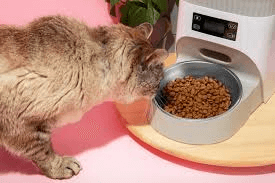
Cats are natural hunters. Their bodies thrive on nutrients that come mainly from animal sources. Yet many cat parents focus only on protein or only on special diets. They do not understand how nutrients actually work together. The truth is simple – long-term feline health depends on balance. Cat foods are required to contain the right amount of protein with properly managed minerals. It plays a major role in ensuring that their nutritional needs are met.
Understanding how high protein cat food and balanced minerals support your cat’s body can help you make smarter food choices. It will definitely benefit your cat for years to come.
Why Protein Matters So Much for Cats?
Unlike humans or dogs, cats need a lot more protein. They must get most of their nutrition from animal protein. Protein supports almost every essential function in a cat’s body.
It helps with:
- Maintaining lean muscle mass
- Supporting immune health
- Repairing tissues
- Producing enzymes and hormones
- Maintaining healthy skin and coat
When cats don’t get enough protein, they get health issues, which pet guardians would like to avoid. Over time, this can lead to weakness, weight loss, and reduced immunity.
The AAFCO Cat Food Nutrient Profile for adult cat maintenance sets the minimum level of crude protein at 26 percent on a dry matter basis. However, these percentages are just the bare minimum baseline and not the optimal target.
High protein cat food is often considered a foundation of healthy cat food. Quality protein supports their biology and helps cats stay energetic. It contributes to better body condition and overall wellness of your cat for many years to come.
However, protein alone is not the full story.
The Role of Minerals in Long-Term Health
Certain minerals like phosphorus, calcium, magnesium, and sodium are also essential for your cat’s health. They support:
- Bone health
- Nerve function
- Hydration balance
- Organ performance.
However, too much of certain minerals can create problems.
Phosphorus is one of the most discussed minerals in cat nutrition. It is used in muscle use and energy production. However, very recently, concerns have been raised that excessive phosphorus intake can put stress on the kidneys. Kidney issues are common in aging cats. Therefore, managing phosphorus levels becomes important as part of preventive nutrition.
This is where low phosphorus cat food becomes relevant. It helps reduce unnecessary strain on the kidneys while still providing essential nutrition. The goal is not to remove phosphorus completely. It is to maintain a safe and balanced level.
Protein and Mineral Balance: Why Both Matter Together
Some cat owners assume that lowering minerals means lowering protein. That is not true. The best food for cats focuses on maintaining high-quality protein while keeping mineral levels controlled.
Here’s why balance matters:
- High protein supports muscle maintenance and energy.
- Controlled phosphorus supports kidney health.
- Proper calcium-to-phosphorus ratios protect bones and organs.
- Balanced magnesium helps maintain urinary health.
These nutrients should work together. A balanced food provides pets with everything they need from their diet, in one handy package. A well-formulated healthy cat food considers both aspects rather than focusing on just one nutritional trend.
Life Stage and Long-Term Nutrition
Long-term health depends on adjusting nutrition as your cat ages.
- Kittens need higher protein and minerals for growth.
- Adults need sustained protein with balanced minerals for maintenance.
- Seniors benefit from high quality protein combined with lower phosphorus levels.
The best food for cats provides all nutrients in the correct proportions for their age. What works at one year old may not be ideal at ten. Planning ahead nutritionally can slow age-related decline.
Quality Over Marketing Claims
The pet food aisle is full of buzzwords. It is easy to get confused. So, check for these essentials:
- Real animal protein as the #1 ingredient
- Balanced calcium & phosphorus ratio
- Controlled mineral levels
- Added taurine
- Clear life-stage mentioned
The goal is not just feeding your cat today. It is protecting their health five to ten years from now.
Practical Choices for Your Cat’s Long-Term Health
So what does this mean for you and your cat? Read the nutritional level on your cat’s food to make sure you are giving the best cat food for your feline friend. Check the crude protein percentage and phosphorus levels. For adult cats, aim for foods with protein above 30% and phosphorus below 1% (lower for senior cats or those with kidney concerns).
Diets should be based on your cat’s life stage and health status. A vigorous two-year-old can thrive on higher-protein foods. A 14-year-old deserves food formulated with senior health in mind.
Work closely with your veterinarian. If your cat has health issues or special dietary needs, professional guidance is important. A vet can recommend prescription diets for kidney health or other conditions. These diets can aid in the wellness of your cat for the coming years.
Supporting Health Today for a Better Tomorrow
Cats may not show health problems immediately when nutrition is unbalanced. Many issues develop slowly over time. Overall wellness throughout your cat’s life can be achieved by providing high protein cat food with proper mineral balance.
A thoughtful approach to nutrition does more than fill the bowl. It builds a strong foundation for long-term health and is active well into their senior years. Because when protein and minerals work in harmony, your cat doesn’t just survive – they thrive.
FAQs
Why do cats need so much protein?
Cats are obligate carnivores. So their bodies rely on protein for energy and organ function. Protein also provides essential amino acids that cats cannot make on their own. A diet with proper protein levels supports their biology.
Is 40% protein too much for cats?
For healthy adult cats, 40% protein is usually not too much if the protein comes from quality animal sources. Cats naturally thrive on high protein diets. The key is balancing protein with proper mineral levels for long-term health
What happens if cats don’t get enough protein?
Low protein intake can lead to muscle loss and dull coat condition. Over time, cats may develop health issues that we don’t want them to have. Adequate protein helps maintain muscle and healthy aging over time.
What do minerals do for cats?
Foods that are fortified with essential minerals can prevent deficiencies and the associated health problems. They also help maintain proper urinary function and metabolism. Balanced minerals alongside protein in the correct proportions help in achieving optimal health.
What happens if animals don’t get enough minerals?
Mineral deficiencies can cause weak bones, poor growth, and organ problems. Cats may also experience fatigue and poor overall health. Proper mineral balance helps keep body systems working smoothly over time.