
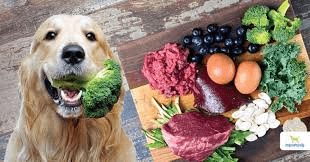
Dog owners are paying closer attention to what goes into the bowl. Some are reading ingredient labels more carefully. Others are adding fresh foods, trying homemade meals, or learning about raw feeding.
That interest makes sense. Food affects a dog’s digestion, weight, skin, coat, energy, and daily comfort. Still, changing a dog’s diet is not something to rush. Dogs need the right balance of protein, fat, vitamins, minerals, water, and calories. Too much of one thing, or too little of another, can cause problems over time.
Raw meals and fruit snacks can both have a place in a dog’s routine. The key is knowing what belongs, what should be limited, and what should stay out of the bowl completely.
Why Dog Owners Are Rethinking What Goes in the Bowl
Many pet parents start questioning their dog’s food after noticing small changes.
Maybe their dog has itchy skin. Maybe stool quality is inconsistent. Maybe the dog seems bored with meals, gains weight too easily, or struggles with certain ingredients. In other cases, owners simply want to understand what they are feeding every day.
Fresh food can be useful when chosen with care. Meat, eggs, vegetables, and some fruits may add variety to a dog’s diet. But fresh does not automatically mean balanced. Natural ingredients still need proper portions. A bowl filled with healthy foods can still miss key nutrients.
That is why dog nutrition should always start with the dog in front of you. Age matters. Breed matters. Activity level matters. So do allergies, medical history, weight, and digestion.
A growing puppy does not have the same needs as a senior dog. A working breed that runs for hours may need a different meal plan than a small indoor dog that naps most of the day.
What Is a Raw Food Diet for Dogs?
Many owners are now exploring a raw food diet for dogs because they want meals built around meat, organs, bones, and whole-food ingredients rather than heavily processed formulas.
A raw diet may include muscle meat, organ meat, raw meaty bones, eggs, small amounts of vegetables, and sometimes fruit. Some people prepare meals at home. Others buy frozen or freeze-dried raw products made for dogs.
The idea is simple: feed ingredients in a less processed form. The reality is more complex.
Raw feeding needs careful planning. Dogs require calcium, phosphorus, zinc, iodine, fatty acids, and several vitamins in the correct amounts. If meals are built only around meat, they can fall short. If bones are added carelessly, they can create choking risks, tooth damage, or digestive trouble.
Raw meals should not be guessed. A balanced recipe matters.
Common Ingredients in Raw Dog Meals
A raw dog meal may contain several parts:
Muscle meat is often the main protein source. This may include beef, turkey, chicken, lamb, rabbit, or fish.
Organ meat is usually added in smaller amounts. Liver is common, but it is rich and should not be overused. Kidney, spleen, or heart may also appear in raw meal plans.
Raw meaty bones are sometimes used for calcium and chewing. They must be the right size and type for the dog. Cooked bones should never be fed, since they can splinter.
Eggs may be included for protein and fat. Some owners feed the shell for extra calcium, though this should be done only when the total meal plan has been worked out.
Vegetables and fruit may be added in small portions. These are not the center of the diet, but they can bring fiber and variety.
Some dogs also need added nutrients. This may include fish oil, vitamin E, iodine, or other minerals, depending on the recipe.
Why Balance Matters More Than the Label
A meal can be raw and still be poorly planned.
For example, a bowl of plain ground beef is not a balanced meal. It may contain protein and fat, but it lacks many nutrients dogs need. Feeding it often can lead to problems.
Too much liver can cause vitamin A issues. Too little calcium can harm bones. Too much fat may trigger digestive upset, especially in dogs prone to pancreatitis.
This is why the word “raw” should not be treated as a guarantee of quality. The full recipe matters. So does food handling.
Potential Benefits and Risks of Raw Feeding
Raw feeding has passionate supporters, but it also comes with real concerns. A fair discussion should include both.
Possible Benefits Owners Look For
Some owners like raw diets because they know exactly what is going into the bowl. That can be helpful for dogs with known food sensitivities.
Others notice that their dogs become more interested in meals. Some report smaller stools, shinier coats, or better tolerance of certain proteins.
Raw feeding may also give owners more control over ingredient choices. For example, a dog that does poorly on chicken-based food may do better with another protein under vet guidance.
Still, every dog responds differently. One dog may thrive on a certain meal plan, while another may get diarrhea, itchy skin, or weight gain.
Risks to Consider Before Switching
Raw meat can carry bacteria such as Salmonella, E. coli, or Listeria. These can affect dogs and people in the home. Extra care is needed when handling raw meat, washing bowls, cleaning surfaces, and storing food.
Bones bring another concern. Some dogs gulp food quickly. Others chew with force. A wrong-sized bone can cause choking, broken teeth, constipation, or injury.
Nutrient imbalance is another major issue. Homemade raw diets can miss important minerals and vitamins if not planned by someone trained in dog nutrition.
Raw feeding may not be a good match for every household. Extra caution is needed around young children, older adults, pregnant people, and anyone with a weakened immune system.
Dogs with kidney disease, pancreatitis, cancer, severe allergies, or digestive illness also need vet input before any major diet change.
Where Fruits Fit Into a Dog’s Diet
Fruit can be a nice snack for many dogs. It can add moisture, fiber, flavor, and small amounts of vitamins.
But fruit should be treated as a treat, not a meal base. Dogs do not need large amounts of fruit. Too much can lead to gas, loose stool, or extra weight because fruit contains natural sugar.
A few small pieces are often enough. For tiny dogs, even less may be better.
Fruit also needs preparation. Remove seeds, pits, stems, rinds, and cores when needed. Cut pieces small enough to prevent choking. Introduce one fruit at a time so you can see how your dog reacts.
Best Fruits for Dogs to Add in Small Portions
Once the main diet is in place, owners can look at the best fruits for dogs as occasional snacks that add flavor, hydration, and useful nutrients.
Here are some dog-safe choices when served properly.
Blueberries
Blueberries are small, soft, and easy to use as training treats. Many dogs enjoy them fresh or frozen. They are also low in calories compared with many other fruits.
Start with just a few. Too many may upset the stomach.
Apples
Apples can be crunchy and refreshing. Remove the core and seeds first. Apple seeds should not be fed to dogs, and the core can be hard to digest.
Serve thin slices or small cubes. Avoid apple pie, sweetened applesauce, and anything with added sugar or spices.
Bananas
Bananas are soft and easy to mash into food. They are sweet, so portions should stay small.
A few thin slices work well as an occasional treat. For small dogs, one or two small pieces may be enough.
Watermelon
Watermelon contains a lot of water, which makes it a good warm-weather snack. Remove the rind and seeds before serving.
Cut it into small chunks. Do not feed large pieces, especially to dogs that swallow quickly.
Strawberries
Strawberries can be served fresh and chopped. They are sweet, so they should be limited.
Wash them well. Remove the leafy top before giving them to your dog.
Pumpkin
Plain pumpkin is often used for digestive support. It contains fiber and can be mixed into meals in small amounts.
Use plain cooked pumpkin or plain canned pumpkin. Do not use pumpkin pie filling, which may contain sugar, spices, or other ingredients that are not suitable for dogs.
Pears
Pears can be safe when prepared correctly. Remove the seeds, stem, and core. Serve only the soft flesh in small pieces.
Like apples, pears contain sugar, so they are best as an occasional snack.
Cantaloupe
Cantaloupe is sweet and hydrating. Remove the rind and seeds before serving.
Because it is sugary, keep portions small, especially for overweight dogs or dogs with blood sugar concerns.
Fruits Dogs Should Avoid
Some fruits are unsafe for dogs. Others are risky because of pits, seeds, skins, or high sugar content.
Grapes and raisins should never be fed to dogs. They can cause serious kidney problems, even in small amounts.
Cherries are risky because of the pits, stems, and leaves. The pit can also be a choking hazard.
Avocados should be avoided. It is high in fat, and parts of the plant contain compounds that can be harmful to animals.
Citrus fruits are not usually toxic in tiny amounts of flesh, but many dogs dislike the taste. Large amounts can upset the stomach.
Fruit pits are also a problem. Peaches, plums, apricots, and similar fruits have hard pits that can cause choking or blockage. Some pits also contain compounds that are unsafe.
When in doubt, leave it out until you ask your vet.
How to Introduce Raw Food or Fruits Without Upsetting Digestion
Dogs often do best with slow changes. A sudden switch can upset the stomach, even when the new food is healthy.
Start small. Add one new item at a time. Watch your dog for a few days before adding anything else.
Signs of trouble may include vomiting, diarrhea, gas, itching, ear irritation, licking paws, or refusing food. If these signs appear, stop the new food and speak with your vet if symptoms continue.
For fruit, begin with tiny portions. A blueberry or two. One small apple slice. A teaspoon of pumpkin for a medium-sized dog. There is no need to offer a full bowl of fruit.
For raw food, get guidance first. A full switch should be planned carefully, especially if your dog has any medical history. Store raw food safely. Wash bowls after each meal. Clean counters, utensils, and your hands.
Also, do not mix too many rich foods at once. Fatty meats, organ meats, eggs, and fruit all in one new meal can be too much for the digestive system.
Sample Feeding Ideas for Different Dogs
The right diet depends on the dog. These examples are general and should not replace veterinary advice.
Active Adult Dogs
An active adult dog may need more calories and protein than a low-activity dog. A balanced raw meal plan may include quality animal protein, measured fat, bone or another calcium source, organs in correct amounts, and small plant-based additions.
Fruit can be used as a training snack. Blueberries, apple pieces, or small banana slices may work well. Keep treats within the dog’s daily calorie needs.
Dogs With Sensitive Stomachs
Dogs with sensitive digestion need extra care. Rich meats, too much fat, and fast diet changes can cause problems.
Plain pumpkin may help some dogs, but it is not a fix for every issue. Some dogs need a limited-ingredient diet or a vet-directed feeding plan.
Introduce any fruit slowly. Avoid giving several new foods in the same week. If your dog often has loose stool, vomiting, or gas, ask your vet before changing the diet.
Senior Dogs
Senior dogs may need fewer calories than younger adults. Some need softer foods because of dental problems. Others need support for kidney health, joints, or digestion.
Raw bones may not be suitable for dogs with weak teeth. High-fat foods may also be harder for some older dogs.
Soft fruits such as banana, watermelon, or pumpkin can be easier to eat, but portions should still stay small.
When to Ask a Vet Before Changing Your Dog’s Diet
Some dogs should not have major diet changes without medical advice.
Ask your vet before changing food if your dog is a puppy, pregnant, nursing, elderly, underweight, overweight, or dealing with ongoing health issues.
Vet input is especially important for dogs with kidney disease, pancreatitis, diabetes, cancer, allergies, immune problems, or chronic stomach upset.
You should also ask for help if your dog has repeated vomiting, frequent diarrhea, blood in the stool, sudden weight loss, or a major change in appetite.
A veterinary nutritionist can be especially helpful for homemade raw diets. They can create recipes that meet nutrient needs instead of relying on guesswork.
Final Thoughts
Raw meals and fresh fruits can both fit into a dog’s diet, but they need care and balance.
A raw meal plan should be more than raw meat in a bowl. It must include the right nutrients in the right amounts. Fruit should be used as a small snack, not a major part of the diet.
Start slowly. Keep portions modest. Watch your dog’s reaction. Use clean food handling habits. Most importantly, consider your dog’s age, health, and daily needs before making changes.
A good diet is not about following a trend. It is about helping your dog feel well, digest food comfortably, and enjoy meals safely.